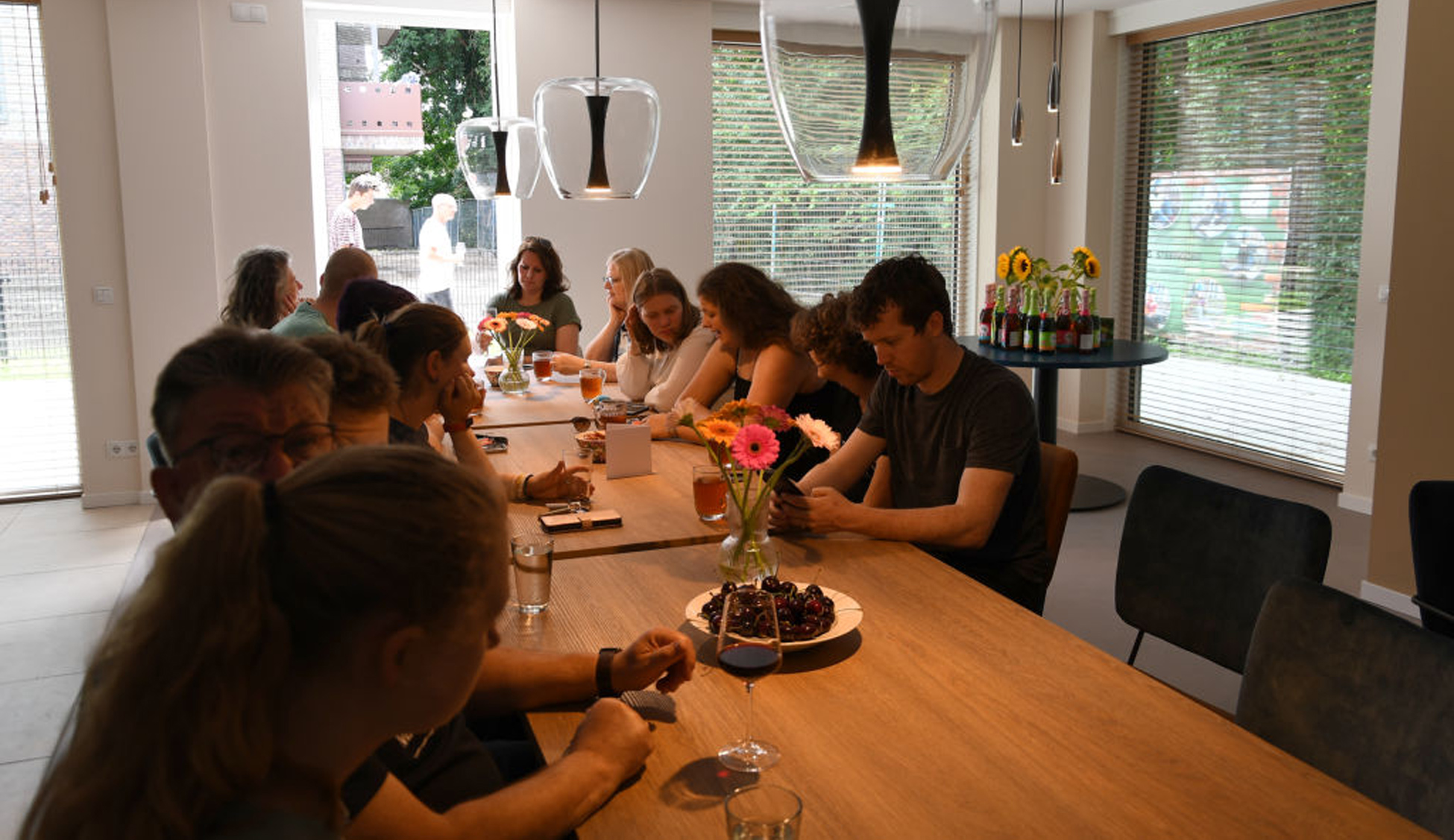
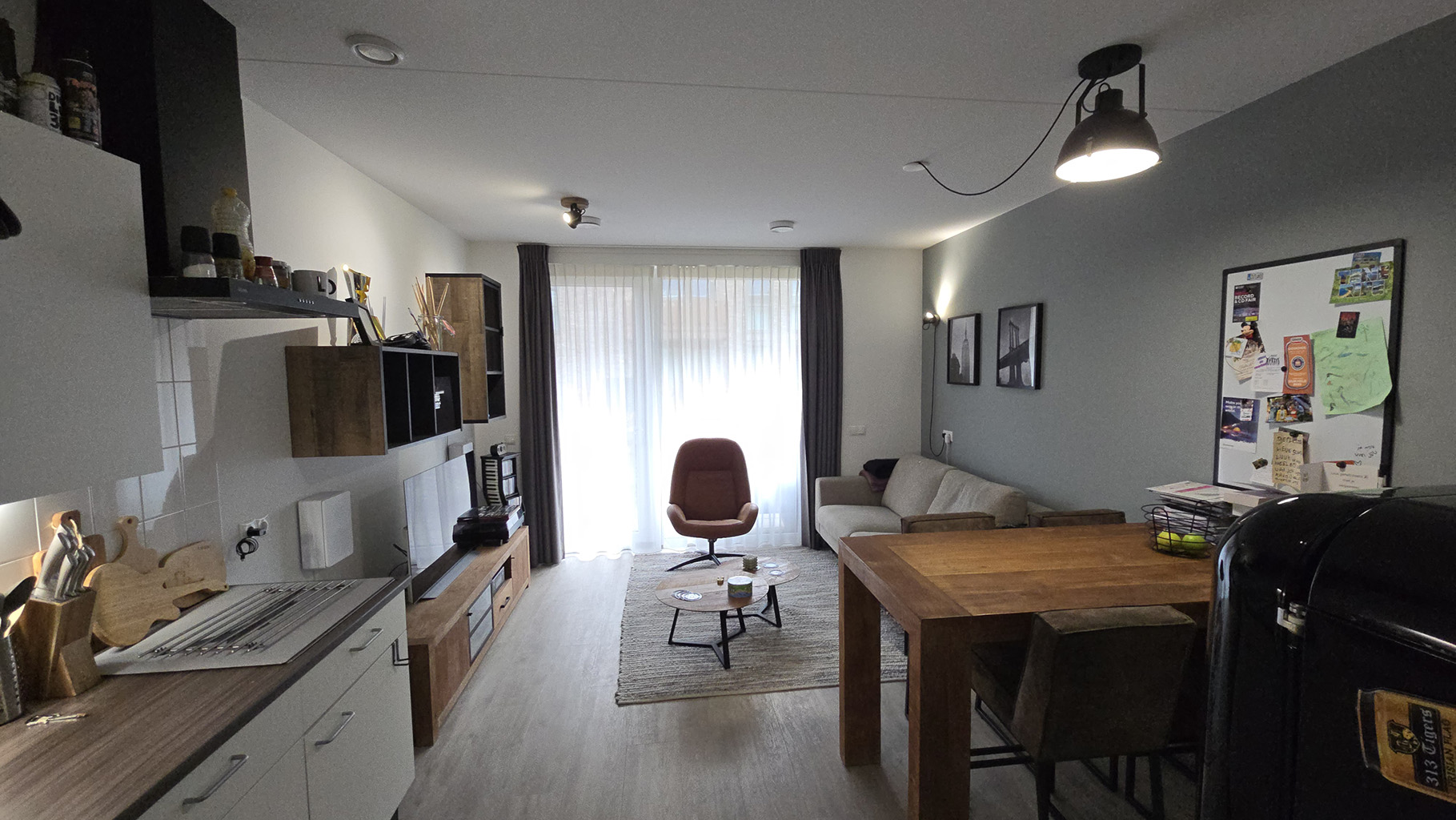
Feeling at home; own place where the resident feels safe and is allowed to participate in shared moments but is not obliged to do so. The atmosphere in the communal areas/moments should be inviting so that the threshold is low. Preventing negative group formation/exclusion. Furnishings are important; no sense of institution.
A good guidance climate/manner is designed in such a way that the residents are addressed respectfully and in a mature manner regarding their attainable level. This requires good communication between residents and guidance, but certainly also transparent communication to and with the parents.
Guideline for residents in this:
Show interest in individual leisure activities.
Organize joint activities both indoors and outdoors. and stimulate without pressure.
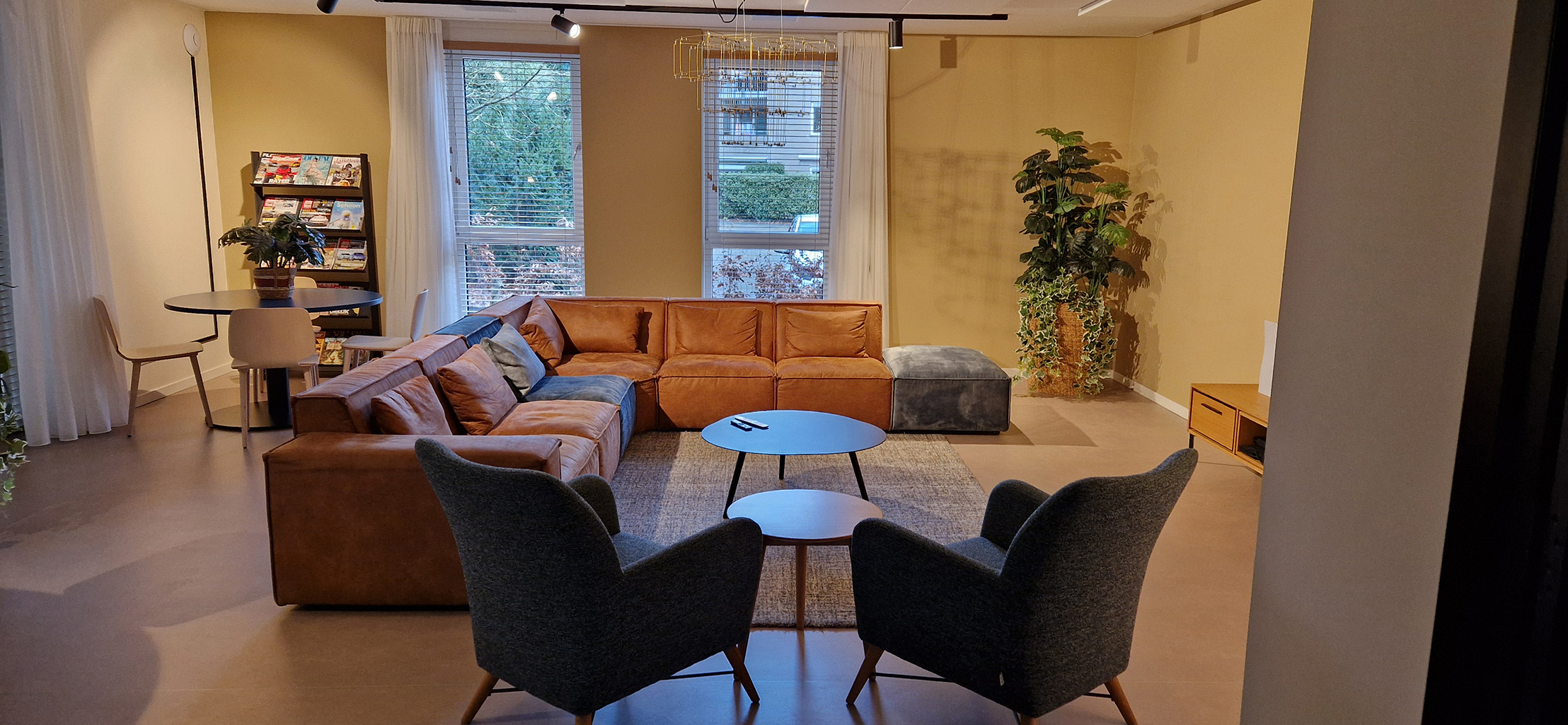
The residents must be central to all considerations we take for them. And they should certainly have a say in the discussion about their own home.
Everything you can do yourself.
You will learn everything you can learn.
What you cannot do, you will get help with.
The aim is for every resident to have daytime activities or a job. This is important for the structure, but certainly also for personal development. It is also important for the group to stimulate each other and to be able to talk to each other about work or daytime activities. This creates a bond. The working group does not want to attach a minimum number of hours or days to the daytime activities, but would like to emphasize that - in view of the above - it considers it important to strive for the maximum achievable for each resident.
The role/position of the residents can be divided into two parts, namely the entire housing initiative and his/her own personal plan. Discuss/think/decide together with the parent(s)/legal representative(s) about agreements that will be included in the personal plan. Residents are also directly involved in their part in group formation and their own living environment; let us think, talk and decide.
Be the spokesperson based on insight into your own child so that reliable individual care is guaranteed. And in consultation with the other parents, come to a joint whole for group formation, realizing that compromises have to be made in that process.
Parents are older again than before, in which the role as caregiver was also at the top. Being able to let go more, working together with the care provider to provide good guidance to the child. This can also have the positive effect that the child becomes (even) more independent because more challenges are offered.
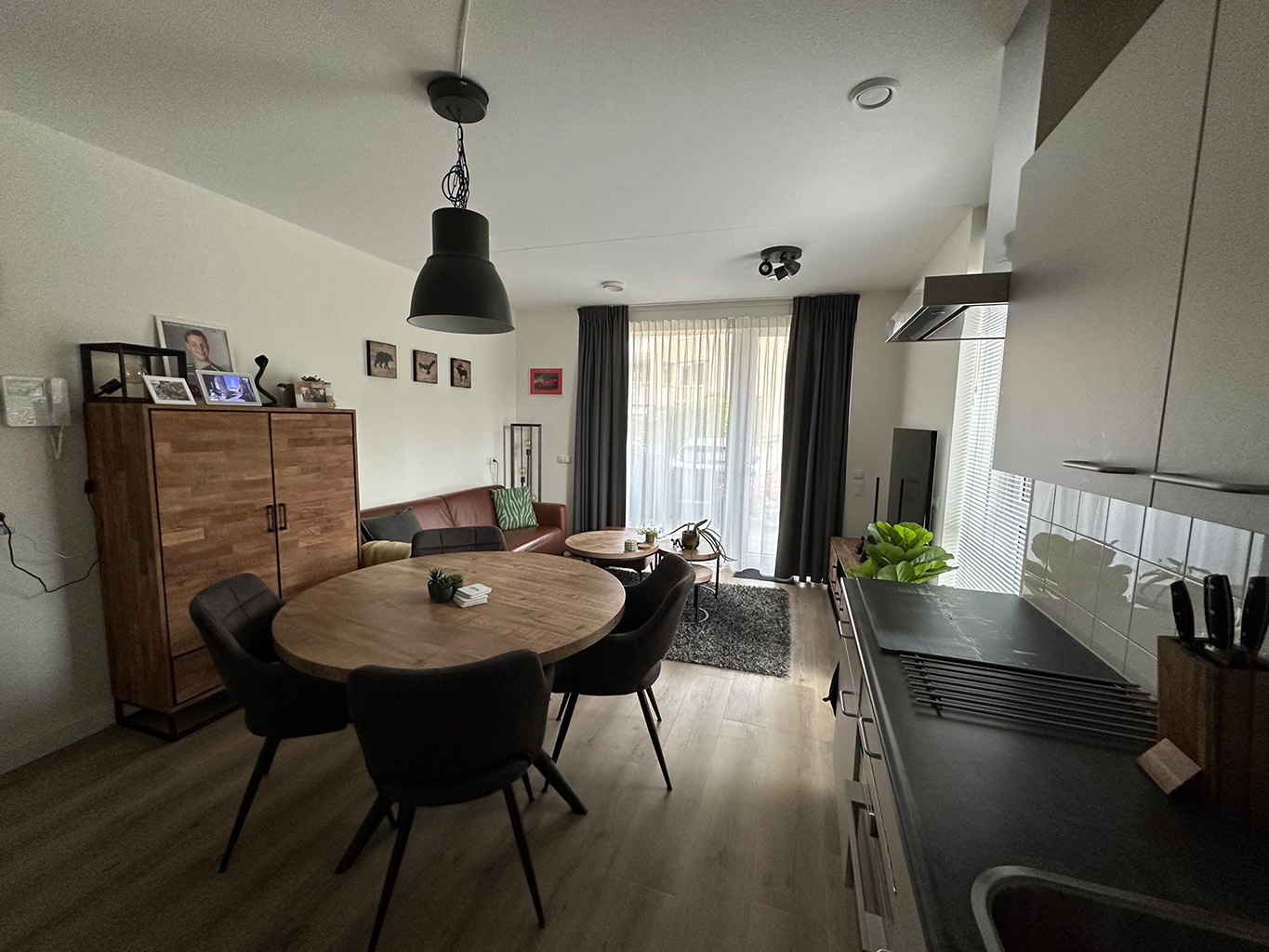
The home belongs to the residents, the caregivers and the parents are guests.
Parents must learn to let go and, as far as possible, practically prepare their child for living as independently as possible by practicing tasks at home.
On the individual care plan; triangle; be involved through evaluations. Signals from parents must be taken seriously; but as the future progresses, also that of the personal supervisor; he will ultimately understand the child well and see the developments.
Several topics were discussed during meetings. These have been noted and sent to the board in an appendix to the vision with the advice to forward them to the (future) working groups where they belong. These topics are in the area of work still to be developed.
Henri Bayensstraat 1
5246 AL Rosmalen
info@stichting-steengoed.nl
Fiscaalnr. 8204.95.219
KvK 17244396